Exploring the Geographical Identity: Unveiling the Location of Stanford University
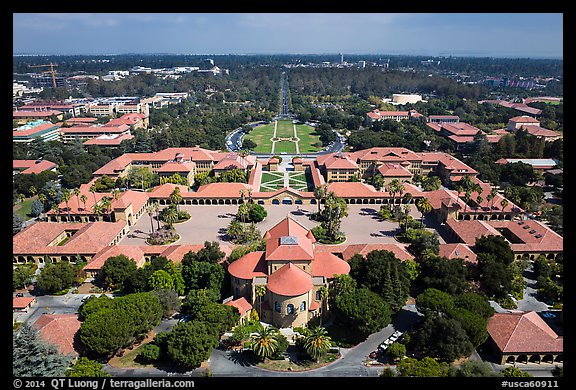
Stanford University, renowned for its academic excellence and innovative research, is located in the heart of California's Silicon Valley. This prestigious institution has long been associated with breakthrough discoveries and groundbreaking advancements in various fields. But have you ever wondered about the geographical identity that surrounds this esteemed university? In this article, we will delve into the fascinating details of Stanford University's location, uncovering the unique characteristics that make it an ideal place for intellectual growth and innovation.
Set against the picturesque backdrop of the Santa Clara Valley, Stanford University occupies an expansive 8,180-acre campus, providing students and faculty with an inspiring natural environment. Surrounded by rolling hills, lush greenery, and a pleasant Mediterranean climate, the campus offers a serene and idyllic setting conducive to learning and reflection. With its close proximity to the Pacific Ocean and the Sierra Nevada Mountains, Stanford University offers a diverse range of recreational opportunities, making it an ideal destination for those seeking both intellectual and outdoor pursuits.
1. The Silicon Valley Connection
Stanford University's location places it at the epicenter of one of the world's most influential technological hubs - the Silicon Valley. This region is home to numerous tech giants, startups, and venture capital firms, fostering a unique ecosystem of innovation and entrepreneurship. The university's proximity to this thriving industry allows students and faculty unparalleled access to cutting-edge research, industry collaborations, and networking opportunities.
2. Architectural Marvels
Stanford University boasts a rich architectural heritage that complements its natural surroundings. The campus features an eclectic mix of architectural styles, ranging from the iconic Romanesque Revival-inspired Main Quad to the modernist designs of the Cantor Arts Center. Exploring these architectural marvels not only offers an insight into the university's history but also serves as a visual feast for visitors and students alike.
3. The Leland Stanford Jr. Museum
The Leland Stanford Jr. Museum, commonly known as the Cantor Arts Center, is a treasure trove of artistic masterpieces. With a collection spanning thousands of years and diverse cultures, this museum showcases works of art from all corners of the world. From ancient Egyptian artifacts to contemporary installations, a visit to the Cantor Arts Center is a journey through the realms of human creativity and expression.
4. The Stanford Dish
Nestled in the foothills of the Santa Cruz Mountains, the Stanford Dish is a popular landmark and a beloved spot among students, faculty, and the local community. This 150-foot diameter radio telescope offers stunning panoramic views of the surrounding region, making it an ideal destination for hiking, jogging, and nature enthusiasts. The Stanford Dish provides a unique vantage point to appreciate the beauty of the campus and its surroundings.
5. The Gardens of Stanford
Stanford University is home to an array of beautiful gardens, each with its own unique charm. From the sun-drenched Arizona Cactus Garden to the tranquil contemplation of the Papua New Guinea Sculpture Garden, these meticulously curated outdoor spaces offer visitors a serene escape from the bustling campus life. Exploring these gardens allows for a deeper appreciation of the university's commitment to sustainability and environmental stewardship.
6. The Stanford Shopping Center
Adjacent to the university lies the Stanford Shopping Center, a premier retail destination that caters to both the campus community and the wider population. With its high-end boutiques, world-class restaurants, and vibrant atmosphere, the shopping center offers a diverse range of experiences, making it an integral part of the Stanford University experience.
7. The Hoover Tower
Standing tall at 285 feet, the Hoover Tower is a prominent symbol of Stanford University. This iconic structure offers visitors a panoramic view of the entire campus and the surrounding area. Inside the tower, a museum showcases exhibitions on various topics, including the history of the university and the Hoover Institution's research and collections.
8. The Artistic Performances
Stanford University is renowned for its vibrant arts scene, which includes a wide range of performances, exhibitions, and concerts. The Bing Concert Hall and the Stanford Live series host world-class musicians, dancers, and theater productions, providing students and the wider community with a wealth of cultural experiences and artistic inspiration.
9. The Diverse Student Community
Stanford University attracts a diverse student body from all corners of the globe. The campus is a melting pot of cultures, perspectives, and backgrounds, fostering a rich and inclusive learning environment. Interacting with peers from different countries and disciplines enables students to broaden their horizons and gain a global perspective on the issues they study.
10. The Spirit of Innovation
Lastly, the location of Stanford University embodies the spirit of innovation that permeates the campus. Surrounded by world-renowned technology companies, startups, and research institutions, the university is constantly at the forefront of groundbreaking discoveries. This unique geographical identity propels Stanford University's reputation as a global hub for innovation and creativity.
In conclusion, Stanford University's location in the heart of the Silicon Valley, amidst stunning natural surroundings, contributes to its unique geographical identity. From its close ties to the tech industry to its architectural marvels, artistic treasures, and vibrant campus life, Stanford University offers an unparalleled experience for students, faculty, and visitors alike. Exploring the geographical identity of this prestigious institution unveils a world of intellectual growth, innovation, and inspiration.