Understanding the Universal Donor Blood Type for Effective Transfusions
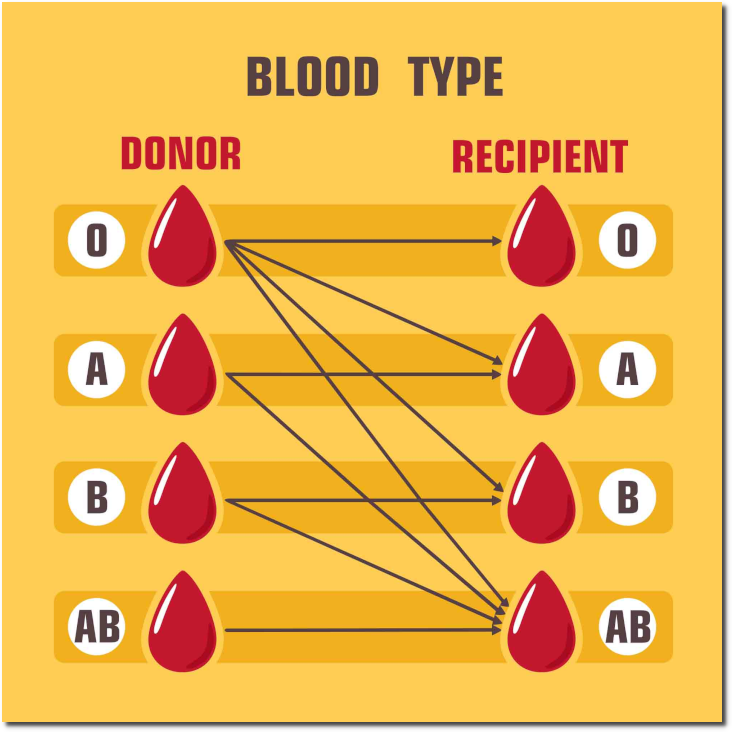
When it comes to blood transfusions, identifying the universal donor blood type is crucial for ensuring successful and safe procedures. This article aims to provide detailed and comprehensive insights into the concept of the universal donor blood type, shedding light on its importance in transfusion medicine. Whether you are a healthcare professional, a patient, or simply interested in this subject, this article will equip you with the necessary knowledge to understand the significance of the universal donor blood type.
In this article, we will explore the different blood types, their compatibility, and the universal donor blood type that plays a pivotal role in transfusions. We will delve into the science behind blood types, the factors that determine compatibility, and the consequences of incompatible transfusions. By understanding these crucial aspects, healthcare professionals can make informed decisions, ultimately leading to more effective and safe transfusions.
1. The Basics of Blood Types
Summary: This section provides an introduction to the different blood types, including A, B, AB, and O, and explains the significance of blood group antigens and antibodies.
2. Rh Factor: A Key Determinant
Summary: Explore the importance of the Rh factor in blood transfusions and how it influences compatibility between donors and recipients.
3. The Importance of Compatibility
Summary: Understand why compatibility between blood types is crucial for successful transfusions and how mismatches can lead to severe complications.
4. The Universal Donor: Blood Type O
Summary: Discover why individuals with blood type O are considered universal donors and learn about the unique properties of their blood that make it compatible with other blood types.
5. Safety Measures and Precautions
Summary: Explore the necessary safety measures and precautions that healthcare professionals must take when performing transfusions, especially when dealing with incompatible blood types.
6. Alternatives to Blood Transfusions
Summary: Explore alternative treatments and procedures that can be used when blood transfusions are not possible or recommended, highlighting the importance of considering individual patient needs.
7. The Role of Blood Banks
Summary: Understand the crucial role of blood banks in ensuring a steady supply of compatible blood types for transfusions and the measures they take to maintain the safety and quality of donated blood.
8. The Future of Transfusion Medicine
Summary: Explore the advancements and ongoing research in the field of transfusion medicine, aiming to improve compatibility, minimize risks, and enhance the overall effectiveness of blood transfusions.
9. Ethical Considerations in Transfusions
Summary: Discuss the ethical dilemmas and considerations involved in blood transfusions, including consent, religious beliefs, and the importance of respecting patients' choices.
10. Education and Awareness
Summary: Highlight the significance of education and awareness regarding blood transfusions, emphasizing the need for both healthcare professionals and the general public to stay informed and contribute to ensuring safe and effective transfusion practices.
In conclusion, understanding the universal donor blood type is paramount for effective transfusions. By exploring the different blood types, compatibility factors, and safety measures, healthcare professionals can ensure the best outcomes for patients in need of blood transfusions. Additionally, increasing public awareness about blood types and the importance of compatible donations can contribute to a safer and more efficient blood transfusion process. By prioritizing education, research, and ethical considerations, we can continue to enhance transfusion medicine and ultimately save more lives.